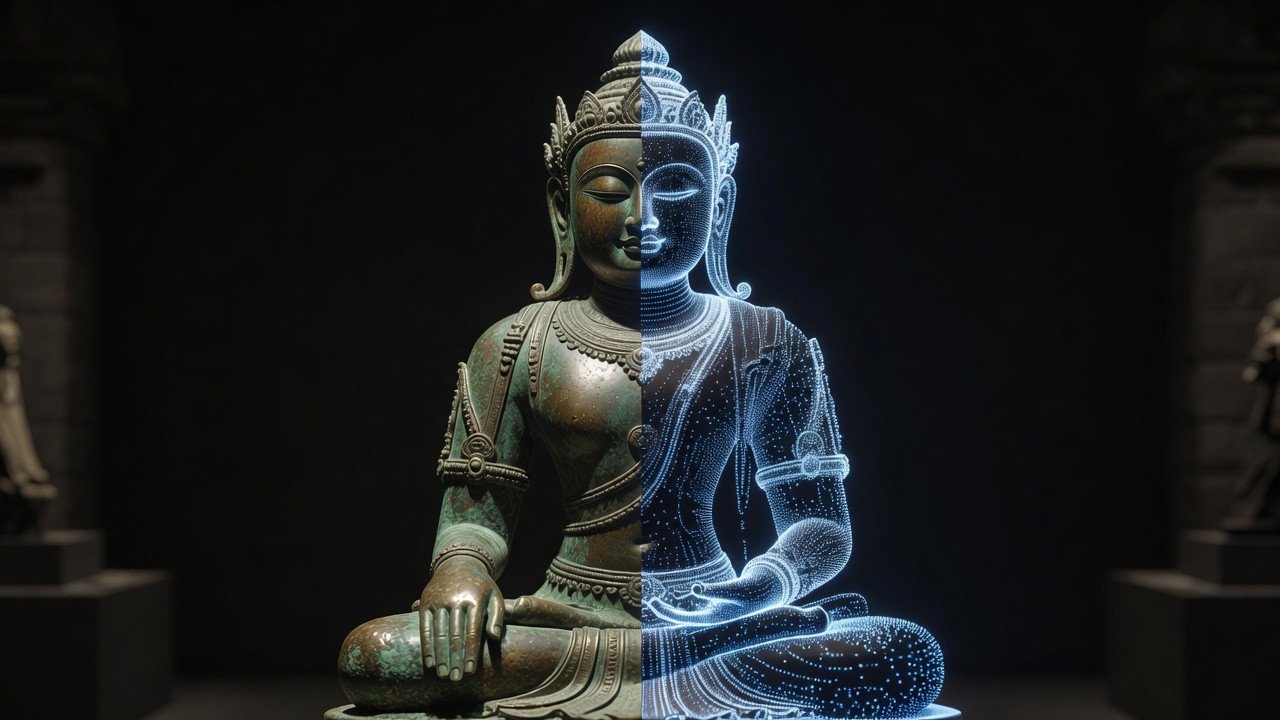
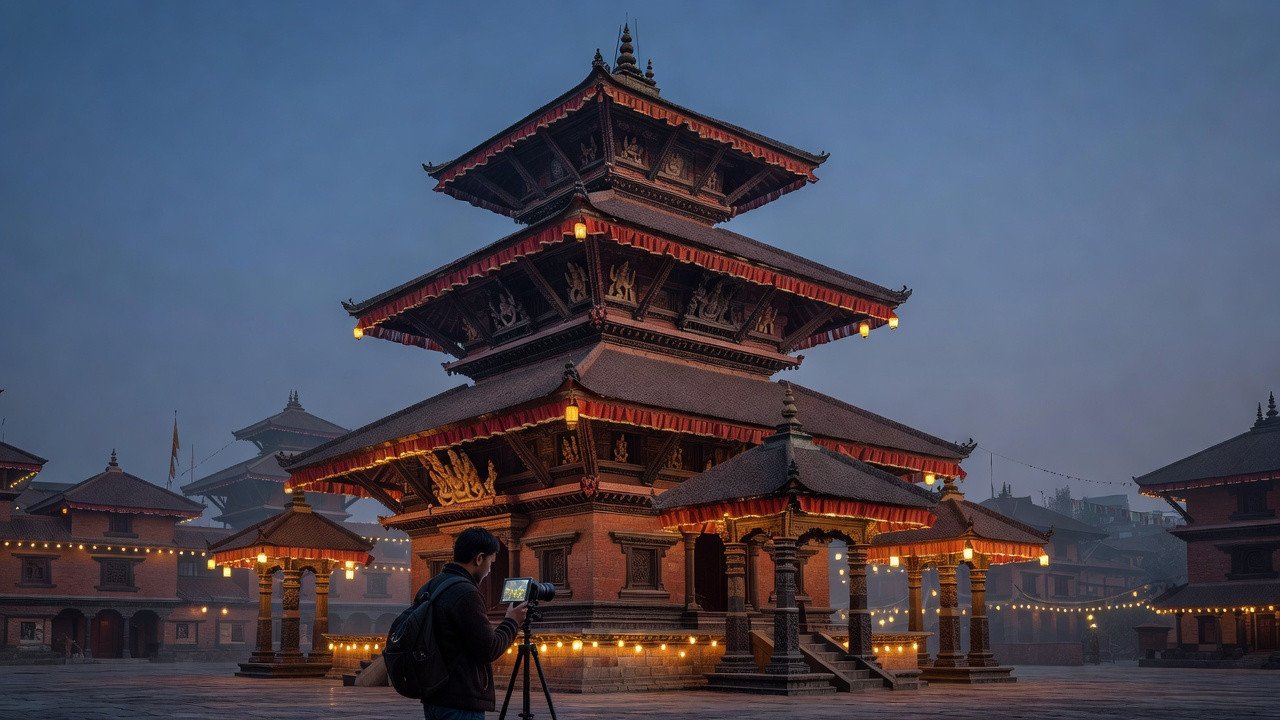
Nepal is a living museum. From the sacred temples of the Kathmandu Valley to the rugged beauty of the Himalayas, our country holds thousands of years of rich history, art, spirituality, and incredible human stories. Yet the institutions that guard this precious heritage, our museums, face serious challenges in today’s world. Natural disasters, limited funding, and changing visitor habits mean we must act now to protect and share our culture.
The devastating 2015 Gorkha Earthquake showed us how easily physical heritage can be damaged or lost. Today, digitization offers a powerful solution. It does not replace our physical museums but expands them, making Nepal’s treasures available to millions of people around the world while protecting them for future generations. This article presents a complete vision with ten key pillars for successfully digitizing museums across Nepal.
The Urgent Need for Digitization
Nepal sits in one of the most earthquake-prone regions in the world and faces increasing risks from climate change. Many valuable artifacts, manuscripts, and historical structures remain highly vulnerable. Creating high-resolution digital copies, three-dimensional models, and secure online archives provides a safety net that can survive physical damage.
Projects such as the digitization of rare Newari manuscripts by Archive Nepal and UNESCO have already shown the importance of this work. Hundreds of ancient texts, some dating back 200 to 800 years, now exist in digital form, ensuring that this knowledge will never disappear completely.
Reaching Nepalis at Home and Abroad
More than three million Nepalis live outside the country. A student studying in New York, a professional working in Dubai, or a researcher in Tokyo should be able to explore the Patan Museum, Hanuman Dhoka Palace, or the International Mountain Museum from anywhere in the world. Digital platforms remove geographical barriers and help strengthen cultural identity among younger generations living abroad.
Transforming Education Across Nepal
Digital museums can turn passive observation into active learning. Students in remote districts such as Humla, Solukhumbu, or Bajura can virtually walk through exhibitions, examine artifacts in 3D, and listen to expert explanations. Interactive features, augmented reality applications, and virtual reality tours make history exciting and accessible to every Nepali child, regardless of location.
Economic Benefits and Virtual Tourism
Digitization creates new economic opportunities. Virtual tours can attract more physical visitors by giving people a preview of what they will experience. Museums can also generate revenue through premium online experiences, digital merchandise, licensing of images, and partnerships with tourism platforms. In a post-pandemic world, virtual tourism has become a significant and growing sector.
Strengthening Cultural Diplomacy
A well-developed national digital museum network would enhance Nepal’s soft power on the global stage. It would attract international scholars, funding, and collaborations while showcasing the uniqueness of Himalayan culture, art, and traditions to the world.
Promoting Inclusivity for Everyone
Digital formats make culture accessible to people with disabilities through audio descriptions, sign language options, and adjustable text. Content can be offered in multiple languages including Nepali, English, Newari, Maithili, and others, ensuring that more citizens and international visitors can connect with our heritage.
Advancing Research and Scholarship
High-quality digital collections allow researchers worldwide to study Nepali artifacts without risking damage to originals. This opens doors for deeper academic work, new discoveries, and stronger collaboration between Nepali and international scholars.
Engaging Nepal’s Youth
With more than forty percent of Nepal’s population under the age of twenty-five, our museums must speak the language of the digital generation. By appearing on platforms like Instagram, TikTok, and educational mobile applications, museums can remain relevant and inspire young people to value and protect their cultural identity.
Sustainable and Practical Innovation
Digitization does not need to be expensive from the beginning. Many museums can start with basic smartphone photography, free open-source software, and cloud storage. A phased approach allows even smaller regional museums in Pokhara, Lumbini, Dhankuta, or Surkhet to participate and grow gradually.
National Collaboration and Policy Support
Real success will come through strong partnerships. The Department of Archaeology, Ministry of Culture, Tourism and Civil Aviation, universities, private technology companies, NGOs, and international organizations such as UNESCO and Google Arts and Culture must work together. A unified “Digital Heritage Nepal” initiative is essential for coordinated progress.
Current State of Museums in Nepal
Nepal currently has more than fifty museums. Major institutions include the National Museum in Chhauni, Patan Museum, Hanuman Dhoka Palace Museum, Narayanhiti Palace Museum, and the International Mountain Museum in Pokhara. There are also important regional museums across the country.
Some positive steps have already been taken. Several sites now offer online ticketing, and initiatives like the Global Nepali Museum provide virtual access. However, most museums still rely primarily on physical visits and have limited digital presence. This gap must be closed quickly.
Learning from Global Success Stories
Countries around the world offer valuable lessons. The British Museum and the Louvre provide immersive virtual tours that reach millions. The Smithsonian Institution maintains one of the largest digital archives in the world. Even smaller nations have built successful national digital heritage platforms. Nepal can adapt these proven models to fit our unique cultural context and needs.
Practical Roadmap for Implementation
Successful digitization requires a clear plan. The process should include:
- Creating a national digital inventory of all important artifacts
- Capturing high-quality photographs, 3D scans, and detailed metadata
- Developing a unified national portal along with individual museum websites and apps
- Introducing immersive technologies such as virtual and augmented reality
- Training museum staff in digital skills and new technologies
- Securing sustainable funding and establishing clear policies for long-term maintenance
Challenges and Realistic Solutions
Several obstacles exist. Limited funding, shortage of technical expertise, uneven internet access outside major cities, and concerns about data security are all real issues. These can be addressed through public-private partnerships, targeted training programs, mobile-first solutions, and strong policies that protect cultural ownership while encouraging open access where appropriate.
A Vision for 2035
Imagine a future where anyone, anywhere can explore all of Nepal’s museums through a single, beautiful digital platform. Users could examine three-dimensional reconstructions of ancient temples, listen to oral histories from different communities, and even contribute their own family stories. This network would protect our heritage, empower our youth, boost sustainable tourism, and ensure that Nepal’s soul remains alive for centuries to come.
The time to act is now. Museum directors, government leaders, donors, technology companies, and ordinary citizens all have important roles to play. Digitizing Nepal’s museums is not about replacing physical experiences but about multiplying their power and securing our shared heritage for generations yet to come.
Call to Action: Let us work together to transform our museums and carry Nepal’s rich cultural legacy into the digital future with pride and confidence.