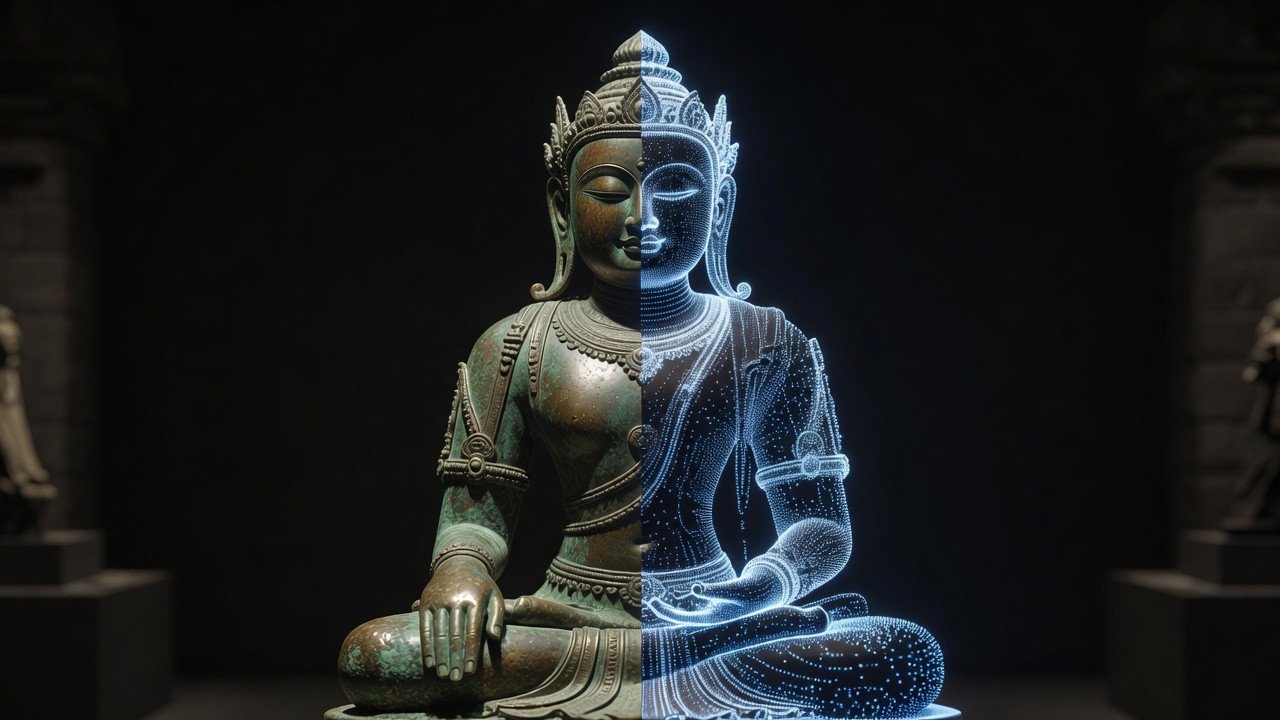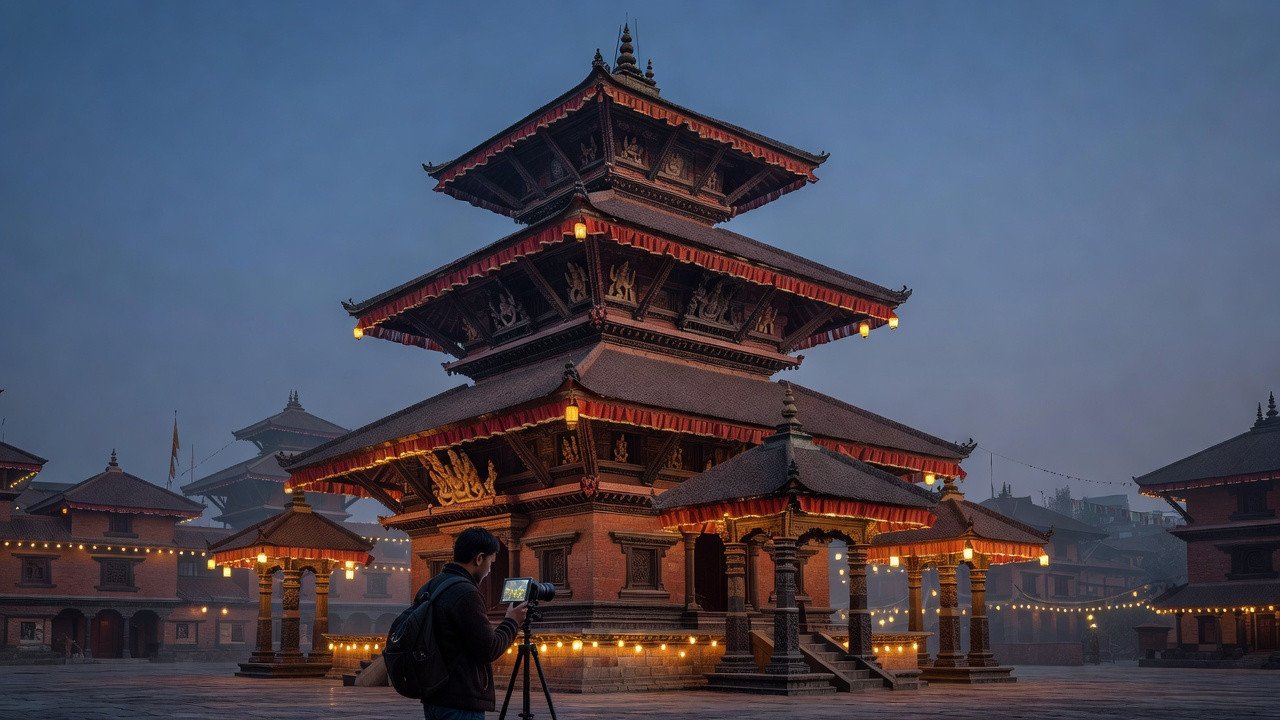
Intangible cultural heritage (ICH) represents the living expressions and practices that communities recognize as part of their cultural legacy. Unlike tangible artifacts and monuments, intangible heritage includes oral traditions, performing arts, social practices, rituals, festive events, traditional craftsmanship, and knowledge concerning nature and the universe. In Nepal, a country of extraordinary ethnic and linguistic diversity, this heritage forms the vibrant core of national identity.
From the masked dances of the Newar communities and the Gandharba musicians' folk songs to intricate ritual practices in the Kathmandu Valley and indigenous knowledge systems of Himalayan communities, Nepal's intangible heritage is rich yet increasingly vulnerable. Rapid urbanization, youth migration, climate impacts on traditional livelihoods, and the dominance of modern entertainment threaten the continuity of these practices. Digital preservation emerges as a critical strategy to document, safeguard, and transmit this heritage to future generations while respecting its living, evolving nature.
This article provides an in-depth discussion of digital preservation approaches for intangible cultural heritage in Nepal, highlighting technologies, benefits, challenges, existing initiatives, and strategic recommendations.
The Significance of Intangible Cultural Heritage in Nepal
Nepal is home to numerous elements of intangible cultural heritage recognized nationally and internationally. UNESCO and local efforts have highlighted practices such as traditional Newari music, masked performances, festival rituals like Indra Jatra and Dashain, and the knowledge systems embedded in indigenous medicine and craftsmanship.
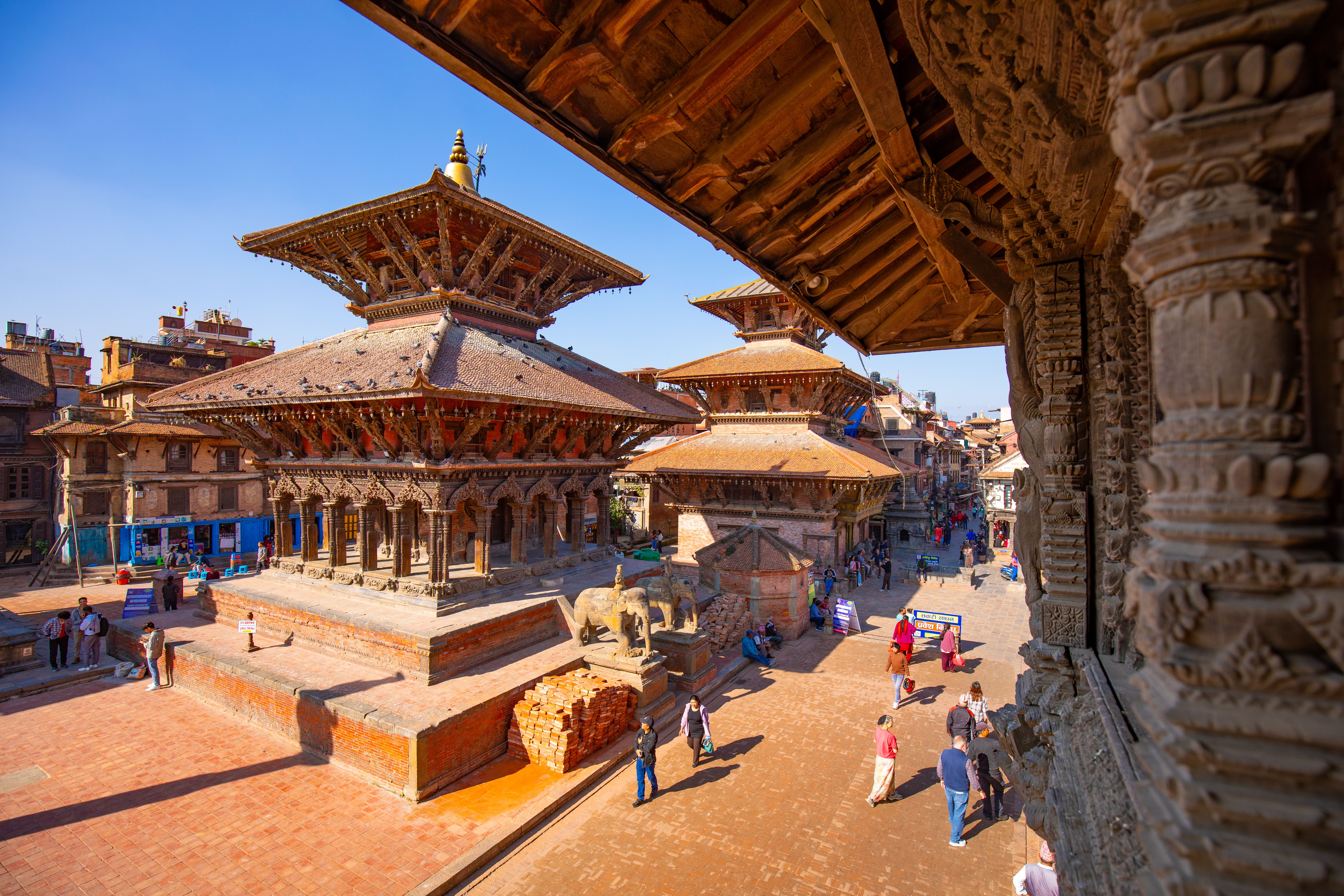
The 2015 Gorkha earthquake not only damaged physical structures but also disrupted associated intangible practices, underscoring the interconnectedness of tangible and intangible heritage. The Nepal Heritage Documentation Project (NHDP) explicitly documents rituals, festivals, and social practices linked to monuments, recognizing that preserving buildings alone is insufficient without capturing the living traditions that animate them.
Preserving intangible heritage ensures cultural continuity, supports community resilience, fosters social cohesion, and contributes to sustainable tourism and economic development. In an era of globalization, digital tools provide innovative ways to keep these traditions alive without freezing them in time.
Technologies and Methods for Digital Preservation of Intangible Heritage
Digital preservation of intangible heritage requires approaches that capture dynamic, performative, and knowledge-based elements rather than static objects.
1. Audiovisual Documentation and Archiving
High-quality video and audio recordings form the foundation. Multi-angle filming of performances, rituals, and oral narratives, combined with high-fidelity audio capture, creates rich primary records. Metadata tagging with contextual information (location, practitioners, cultural significance, and variations) ensures usability.
2. Motion Capture and 3D Technologies
Motion capture systems record dances and ritual movements with precision, enabling 3D reconstruction and virtual performances. These technologies allow future generations to study gestures and choreography that might otherwise be lost.
3. Virtual Reality (VR) and Augmented Reality (AR)
Immersive technologies create virtual experiences of festivals and rituals. Users can "participate" in reconstructed events, providing educational and cultural engagement opportunities, especially for diaspora communities and younger audiences.
4. Artificial Intelligence and Machine Learning
AI assists in transcribing oral languages, translating dialects, recognizing patterns in music or dance, and automating metadata generation. Speech recognition tools help document endangered languages spoken by elder practitioners.
5. Digital Storytelling and Interactive Platforms
Web-based platforms, mobile applications, and interactive databases allow communities to contribute their own content. Crowdsourced archives empower practitioners to share knowledge directly while maintaining control over sensitive materials.
6. Blockchain and Secure Archiving
Blockchain technology ensures provenance, authenticity, and controlled access, protecting intellectual property rights of communities while preventing unauthorized commercial exploitation.
Benefits of Digital Preservation
Digital approaches offer multiple advantages:
- Long-term Safeguarding: Digital records create backups against loss due to practitioner aging, migration, or disruption of practices.
- Wider Accessibility: Global audiences, researchers, educators, and younger Nepalis can engage with heritage remotely, fostering pride and learning.
- Educational Enhancement: Interactive digital content integrates into school curricula and cultural education programs, bridging generational gaps.
- Economic Opportunities: Digitized heritage supports cultural tourism, creative industries, and content creation while generating revenue for communities.
- Research and Revitalization: Comprehensive digital archives enable scholarly analysis and support revival efforts for endangered practices.
- Community Empowerment: Digital tools allow communities to document and share their heritage on their own terms, strengthening cultural identity.
Prominent Initiatives in Nepal
Several projects demonstrate progress in this domain:
- The Nepal Heritage Documentation Project (NHDP) documents not only monuments but also associated intangible elements such as rituals, festivals, and social practices, making records available through open-access databases.
- UNESCO and Archive Nepal collaboration focuses on Newari manuscripts, which carry significant intangible knowledge. These efforts extend to broader documentation of related oral traditions and practices.
- Community-led initiatives preserve Gandharba music, Newari language and script (Ranjana Lipi), and traditional performing arts through audio-visual recordings and digital storytelling.
- Youth involvement in Kathmandu Valley, including teaching Newari in schools and using contemporary art to promote traditional scripts, shows promising integration of digital and living heritage.
- National efforts aligned with the Digital Nepal Framework increasingly recognize the need to incorporate intangible heritage components.
Challenges in the Nepali Context
Despite potential, several obstacles remain:
1. Technical and Infrastructural Limitations
Many rural and mountainous areas lack reliable internet and electricity, hindering consistent digital documentation and access.
2. Skills and Capacity Gaps
Few practitioners and cultural institutions possess expertise in digital technologies. Training programs are essential but currently limited.
3. Ethical and Ownership Issues
Intangible heritage often involves sacred or sensitive knowledge. Issues of consent, intellectual property rights, data sovereignty, and potential decontextualization require careful navigation to avoid exploitation.
4. Sustainability Concerns
Digital assets risk obsolescence without ongoing maintenance, migration strategies, and funding. Rapid technological change poses long-term challenges.
5. Generational and Social Shifts
Youth disinterest in traditional practices, combined with urbanization, reduces transmission. Digital tools must complement, not replace, living practice.
6. Resource Constraints
Limited governmental and institutional funding restricts large-scale, systematic digital preservation efforts.
Strategic Recommendations
To advance digital preservation of intangible cultural heritage in Nepal, the following actions are recommended:
- Develop a dedicated National Intangible Cultural Heritage Digital Strategy integrated with the Digital Nepal Framework, with clear targets, funding mechanisms, and community participation guidelines.
- Invest in capacity building through partnerships between cultural institutions, universities, tech companies, and international organizations like UNESCO.
- Establish community-managed digital archives that prioritize practitioner ownership and ethical protocols for access and use.
- Promote hybrid approaches that combine digital documentation with continued physical transmission of practices.
- Leverage public-private partnerships and diaspora networks for resources, technology transfer, and global outreach.
- Integrate digital heritage preservation into education and tourism policies, creating content for schools and immersive experiences for visitors.
- Adopt open standards and sustainable technologies, including renewable energy-powered systems where possible, to ensure long-term viability.
- Monitor and evaluate initiatives using indicators focused on community engagement, knowledge transmission rates, and cultural vitality alongside technical metrics.
Digital preservation offers a powerful means to safeguard Nepal's intangible cultural heritage amid contemporary challenges. By capturing the richness of rituals, performances, oral traditions, and indigenous knowledge through innovative technologies, Nepal can ensure these living expressions continue to thrive and evolve.
The journey requires collaborative effort involving government bodies, cultural practitioners, technologists, educators, and communities. When implemented thoughtfully and ethically, digital preservation does not replace living heritage but strengthens its resilience, accessibility, and relevance in the 21st century.
As Nepal moves forward, the harmonious integration of tradition and technology will help preserve the nation's cultural soul, ensuring that future generations inherit not just records of the past but vibrant, meaningful connections to their living heritage. This balanced approach will position Nepal as a model for digital safeguarding of intangible cultural heritage in South Asia and beyond.